
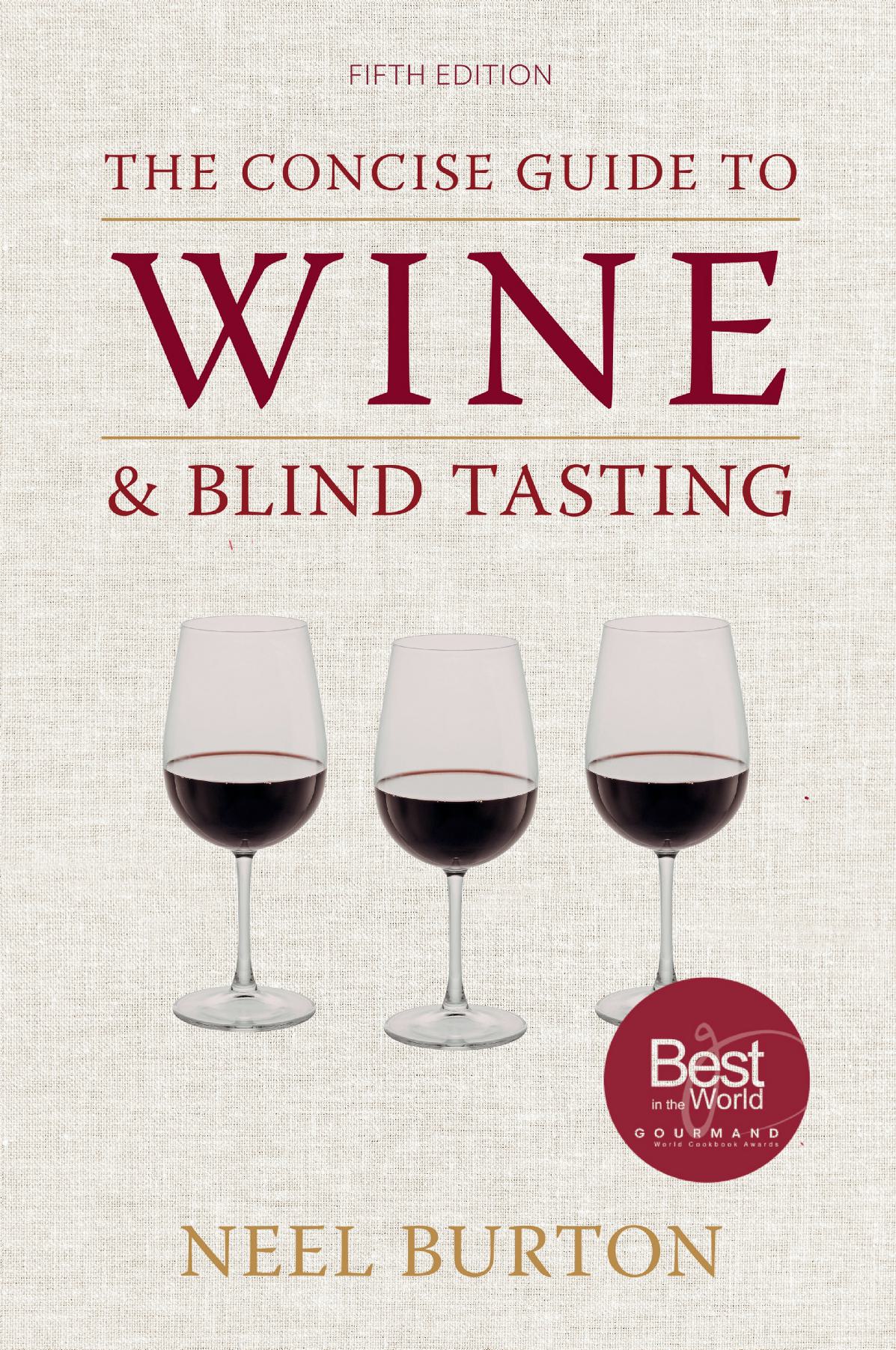
Description
The Bootcamp Manual for Aspiring Masters
Special Colour Edition, with 505 b&w pages and 35 full-page colour wine maps
A comprehensive education in wine. —The Times Literary Supplement
This book is for all those seeking to acquire a deep and systematic appreciation and understanding of wine, whether for exams, work, or pleasure. It outlines a simple yet robust framework for analyzing wine as objectively as possible, and provides all the background knowledge that you need to interpret your findings, covering everything from grape varieties and vineyard management to winemaking techniques and the world's most important wine styles. It seeks throughout to examine in what ways a particular wine is unique and different from other, similar wines. For example, why and in what ways is Pauillac, in Bordeaux, different from Pomerol, also in Bordeaux? Why and in what ways is Mosel Riesling different from Riesling from the Rheingau, or the Nahe, or Alsace, Austria, or Australia?
This book is dedicated to all wine lovers, and should prove particularly useful to amateur and competitive blind tasters, students on higher-level wine courses, sommeliers, and anyone else who buys, sells, or recommends wine.
Includes recommended producers and vintages for every major wine region.
Praise for previous editions
A rigorous, highly focused, well-honed bootcamp manual (Bible might be a better word) for the likes of WSET diploma students, MW students, Master Sommelier students, and anyone else who thinks that blind tasting competitions are a riot. —Tamlyn Currin for JancisRobinson.com
While Burton suggests that readers should develop their own tasting markers, this book is a great jumping-off point for wine professionals or eager hobbyists as they develop their personal tasting grids. —Alissa Bica for Wine & Spirits Magazine
A book that will be of benefit to anyone taking a Wine & Spirit Education Trust (WSET) course in the coming years. —Paul O'Doherty for JancisRobinson.com
Splendid, concise, up-to-date, comprehensive and accurate. —Clive Coates MW, author of The Wines of Burgundy
Delightful yet sophisticated. —Konstantinos Lazarakis MW, author of The Wines of Greece
Contents
Part I: Foundations and Blind Tasting
1. The Philosophy of Wine
2. The History of Wine
3. Principles of Viticulture
4. Principles of Winemaking
5. The Art and Science of Blind Tasting
Part II: France and Sparkling Wines
6. Alsace
7. Burgundy
8. The Rhône
9. Bordeaux
10. The Loire
11. Other Notable French Regions and Appellations
12. Champagne and Sparkling Wine
Part III: Europe and Fortified Wines
13. Germany
14. Austria, Switzerland
15. Hungary
16. Greece
17. Georgia, Lebanon
18. Italy: North-East
19. Italy: North-West
20. Italy: Central
21. Italy: South, Sicily, Sardinia
22. Spain, Tenerife, Lanzarote
23. Portugal
24. Port, Madeira, Vin Doux Naturels
25. Sherry, Montilla-Moriles
Part IV: Wines of the World
26. New Zealand
27. Australia
28. South Africa
29. Chile
30. Argentina, Uruguay, Brazil
31. USA, Canada
32. China, Japan
Preface to the new fifth edition
Who knows more loves more, and loving more tastes/enjoys more. —Saint Catherine of Siena
It is sometimes said, not by me, that the world of wine has grown too large for a single man or woman to cover. When blind tasting began in the 1960s, it was mostly a matter of distinguishing Pauillac from Graves or Gevrey from Chambolle, with the occasional Rhône thrown in for thrills. It helps, of course, that I’ve visited many of the world’s wine regions, that I regularly attend tastings, and that I drink wine with every dinner—seeking to be as eclectic as possible at my table. Certainly, none of my other books has cost so much of myself to write, to say nothing of the visits to the dentist.
As you’d expect, this new edition includes new statistics, regulations, appellations, producers, vintages… As the book is now over five hundred pages long, I’ve had to balance expansions with deletions—meaning that the writing is more concise than ever (concise, in case you’re jeering, is not the same as short).
Producers and vintages have often been granted their own separate sections. Not all ‘great’ vintages are my kind of vintage. So when recommending vintages, I have often emboldened one or two recent vintages that are maybe more classic or elegant or mineral, and that I personally favour.
There are some additional resources on my website, including virgin blind tasting sheets, colour wine maps, and the stylistic profiles at the end of the section on blind tasting. Feel free to download, print, and share these resources. The stylistic profiles can be used as crib sheets when blind tasting, or teaching blind tasting.
Differences of opinion are inevitable in a work such as this, and, being just one man, I am bound to have made a few errors and misjudgements. Do let me know if you spot any, and I will do my best to address them.
This book was made from love, and has little-to-no marketing behind it. If you think others might benefit from it, please leave a review or even just a rating to help them find and trust it.
Happy tasting, and may this book assist you on this very worthwhile journey. At first, wine seemed like a nothing; but looking back, it turned out to be everything.
Neel Burton
If you’re a WSET student, sommelier or MW student preparing for exams, you’d be foolish not to have this book open next to you through every study session and every tasting. —Tamlyn Currin for JancisRobinson.com
Details
Publisher - Acheron Press
Language - English
Perfect Bound
Contributors
By author
Neel Burton
Published Date - 2026-06-12
ISBN - 9781913260668
Dimensions - 22.9 x 15.2 x 3.1 cm
Page Count - 540
Payment & Security
Your payment information is processed securely. We do not store credit card details nor have access to your credit card information.